For Students

Here you’ll gain knowledge about student life at boarding school. User our glossary of terms to learn boarding school jargon, discover the importance of a partnership between school, parent and child, and find great gift ideas for the boarding school graduate.

View the most popular articles in For Students:

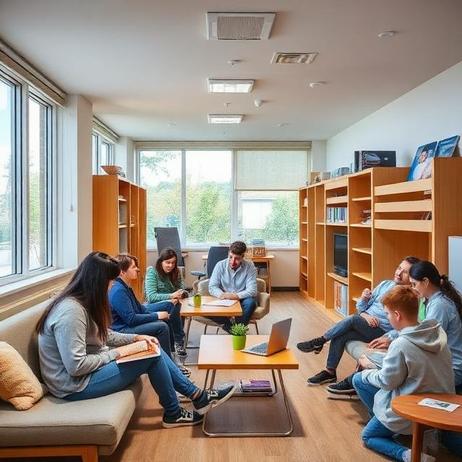
Dorm Life at Boarding Schools: What Students Can Expect

Updated
|
Dorm Life at Boarding Schools: What Students Can Expect
Explore dorm life at boarding schools in 2026, including roommates, routines, supervision, wellness support, and residential life trends.

For many families considering a boarding school, dorm life is one of the biggest unknowns. Academics often drive the school search, but the residential experience shapes a student's daily life just as much. Dormitories are where students build friendships, learn independence, manage responsibilities, and develop the social skills that prepare them for college and adulthood.

In 2026, dorm life at boarding schools looks different from the stereotypes many parents remember. Modern residential programs place greater emphasis on student wellness, mentorship, safety, community building, and healthy independence. Faculty members often live alongside students, counseling services are more accessible, and residential programs are increasingly designed around whole-student development.

Understanding what daily dorm life actually looks like can help families determine whether boarding school is the right fit.

What Is Dorm Life Like at a Boarding School?

Dormitories serve as much more than student housing. They function as residential learning communities where students live, study, socialize, and grow together.

Most boarding schools organize students into residence halls, houses, or smaller residential communities supervised by faculty members known as dorm parents, houseparents, or residential advisors. These adults help maintain structure while providing guidance and support outside the classroom.

As discussed in Boarding School Review's guide toBoarding School Residential Life Models Explained, schools vary significantly in how they structure residential life, from traditional dormitories to family-style house systems.

Typical Dorm Features

Most boarding school dorms include:

  • Shared student rooms or doubles
  • Common lounges and study spaces
  • Laundry facilities
  • Faculty apartments within
. . .read more

Roommate Matching at Boarding Schools

Updated
|
Roommate Matching at Boarding Schools
How roommate matching at boarding schools works, what students can expect, and how families can prepare for dorm life.

Roommate matching at boarding schools is one of the first steps in helping students adjust to residential life. For many families, the roommate assignment feels almost as important as the academic program itself. A positive roommate experience can help students feel more comfortable, supported, and connected during the transition to boarding school.

Most schools approach roommate assignments carefully, but the goal is not necessarily to create instant best friends. Instead, schools aim to create living situations where students can study, sleep, communicate, and coexist successfully within a residential community.

How Boarding Schools Match Roommates

Most boarding schools begin the roommate assignment process after enrollment is complete, usually during late spring or summer. Students are often asked to complete a housing questionnaire covering topics such as:

  • Sleep schedules
  • Study habits
  • Cleanliness preferences
  • Social personality
  • Extracurricular interests
  • Noise tolerance
  • Previous dorm or camp experience

Residential life staff then review the information and attempt to create balanced pairings. Some schools also consider grade level, international status, language background, or whether a student is new or returning.

At Phillips Exeter Academy, dorm life is structured around close residential communities supported by faculty advisers and dorm staff. Phillips Academy Andover uses a residential cluster model that connects students with advisers, house counselors, and peer leaders. Deerfield Academy emphasizes shared living experiences as part of student growth and independence.

These residential systems are designed to help students adapt both socially and academically.

What Schools Usually Look For

Boarding schools generally focus

. . .read more

Unwritten Rules of Boarding School Life

Updated
|
Unwritten Rules of Boarding School Life
Discover the unwritten social rules that boarding school students learn outside the classroom, from dorm etiquette to community expectations.

Every boarding school has a student handbook filled with official policies, dorm regulations, academic expectations, and schedules. Yet ask almost any boarding school graduate what they remember most, and many will point to something else entirely: The unwritten rules.

These are the social expectations, routines, habits, and cultural norms students absorb simply by living in a residential community. They are rarely taught directly, but they shape daily life as much as academics do.

Students quickly learn that boarding school is not only about classes and grades. It is also about learning how to live with others, manage independence, communicate respectfully, and contribute to a shared community.

For families considering residential education, understanding these informal lessons can provide a more realistic picture of what boarding school life actually looks like beyond admissions brochures and campus tours.

Boarding School Is a Community First

Unlike traditional day schools, boarding schools function as full communities. Students eat together, study together, compete together, and live together. That constant interaction creates its own culture and expectations.

As discussed in Boarding School Review’s article on why students choose boarding school, many graduates describe the residential experience itself as one of the most transformative aspects of their education. The life lessons learned outside the classroom often become just as important as academic instruction.

Within the first few weeks, students begin learning that personal choices affect other people in immediate ways. A messy dorm room affects roommates. Being late impacts teammates or classmates. Noise during

. . .read more

Emotional Readiness Assessments for Boarding School Applicants

Updated
|
Emotional Readiness Assessments for Boarding School Applicants
Learn how emotional readiness assessments help boarding schools evaluate student independence, resilience, and social maturity.

For decades, boarding school admissions focused primarily on academics, extracurricular achievement, teacher recommendations, and standardized testing. In 2026, however, many schools are placing increased emphasis on another factor that can significantly influence student success: Emotional readiness.

As boarding schools continue to prioritize student wellness, resilience, and community health, admissions teams are increasingly evaluating whether applicants are prepared for the unique social and emotional demands of residential life. Emotional readiness assessments are becoming an important part of the conversation, especially for younger applicants entering middle school or ninth grade.

For families considering boarding school, understanding what these assessments measure and why they matter can help reduce anxiety and improve preparation for the admissions process.

Why Emotional Readiness Matters in Boarding School

Boarding school offers exceptional academic opportunities, independence, and personal growth. However, it also requires students to adapt to an environment that differs significantly from traditional day school settings.

Students live away from home, manage schedules independently, navigate roommate relationships, and participate in highly structured communities. While these experiences can foster maturity and confidence, they can also be emotionally challenging.

As discussed in Why Boarding School?, students often develop greater self-sufficiency, stronger interpersonal skills, and increased resilience through residential education.

Admissions officers understand that even academically talented students may struggle if they are not emotionally prepared for:

  • Living away from family
  • Managing homesickness
  • Handling interpersonal conflict
  • Balancing rigorous academics and extracurriculars
  • Seeking help when needed
  • Adjusting to structured dorm life

The goal of emotional readiness assessments is not to exclude students who

. . .read more

Boarding School for Troubled Teens: What Works

Updated
|
Boarding School for Troubled Teens: What Works
Learn what works and what doesn’t in a boarding school for troubled teens, including therapies, outcomes, and red flags for families.

Choosing a boarding school for troubled teens is one of the most complex and emotionally charged decisions a family can face. Parents are often navigating behavioral issues, academic struggles, or mental health concerns while trying to identify an environment that offers both structure and support.

In 2026, the landscape of therapeutic and behavior-focused boarding schools has evolved significantly. Increased oversight, growing awareness of student rights, and advancements in adolescent psychology have reshaped what effective programs look like. Yet, not all schools deliver on their promises.

This guide examines what truly works in a boarding school for troubled teens, what does not, and how families can make informed, responsible decisions.

Understanding the Role of a Boarding School for Troubled Teens

A boarding school for troubled teens typically serves students facing challenges such as:

  • Persistent behavioral issues
  • Academic underperformance or disengagement
  • Substance use concerns
  • Anxiety, depression, or emotional regulation difficulties
  • Family conflict or instability

These schools differ from traditional boarding schools by integrating therapeutic interventions into daily life. The goal is not only academic progress but also personal growth, emotional stability, and long-term resilience.

However, outcomes vary widely depending on program quality, staff expertise, and institutional philosophy.

What Works: Evidence-Based Approaches and Best Practices

1. Licensed, Integrated Mental Health Support

Programs that employ licensed therapists and integrate therapy into the daily schedule consistently produce better outcomes.

Effective models include:

  • Cognitive Behavioral Therapy (CBT)
  • Dialectical Behavior Therapy (DBT)
  • Family systems therapy

According to the Substance Abuse and

. . .read more

Recent Articles

What Happens During School Breaks for Boarding Students Who Stay on Campus
Learn what happens during school breaks for boarding students who remain on campus, including housing, meals, activities, supervision, and support services.
A Day in the Life of a Dorm Parent: Inside Residential Faculty Life
A day in the life of a dorm parent: how residential faculty support, mentor, supervise, and guide students while building community and shaping the boarding school experience.
How Boarding Schools Assign Dorms, Advisors & Schedules
Learn how boarding schools assign dorm rooms, faculty advisors, and class schedules, and what families should expect before move-in day.