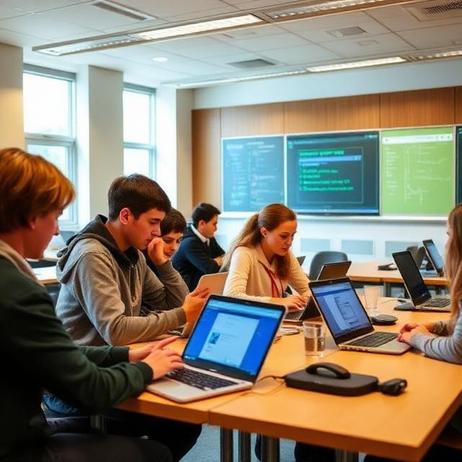
Technology use in boarding schools has changed dramatically over the past decade. In 2026, digital tools are no longer limited to computer labs and classroom projectors. Boarding schools now integrate technology into academics, residential life, student wellness, communication, and campus security.
For families evaluating boarding schools, understanding how schools manage technology is increasingly important. Parents want students to benefit from innovation without becoming overwhelmed by screens or digital distractions. Educators aim to balance academic rigor with responsible technology habits. Students expect connected learning environments that mirror the modern world they will eventually enter in college and the workforce.
Today’s boarding schools are working to strike that balance through thoughtful policies, structured oversight, and intentional digital education.
How Boarding Schools Use Technology Today
Most boarding schools now operate in highly connected learning environments. Campus-wide Wi-Fi, cloud-based coursework, and one-to-one device programs have become standard across many institutions.
Technology use in boarding schools commonly includes:
- Learning management systems for assignments and grading
- AI-assisted tutoring and study support
- Digital textbooks and research databases
- Virtual collaboration platforms
- Classroom presentation and multimedia tools
- Online parent communication portals
- Campus safety and student monitoring systems
Many schools also integrate technology into arts, engineering, robotics, media production, and entrepreneurship programs.
Families interested in broader technology trends can also explore Technology & Boarding Schools in 2025 and Technology & Screen Time in Boarding Schools.
AI and Personalized Learning in 2026
Artificial intelligence has become one of the most significant developments in education. Boarding schools are increasingly adopting AI-supported learning tools while creating policies that protect academic integrity.
Many schools now use AI for:
- Personalized tutoring support
- Writing feedback and revision assistance
- Language translation and ESL support
- Adaptive math and science instruction
- Academic planning and advising
At the same time, schools are carefully defining acceptable AI use. Faculty members are redesigning assignments to emphasize critical thinking, process work, discussion, and original analysis.
The growing role of AI in secondary education has prompted schools to update honor codes and digital citizenship expectations. The National Center for Education Statistics continues to track the expansion of educational technology and AI adoption nationwide.
For additional guidance on this evolving topic, parents can read AI in Boarding Schools: ChatGPT Use and School Policies.
Technology in the Classroom
Technology use in boarding schools is often most visible in the classroom itself. Teachers increasingly use blended learning models that combine traditional instruction with digital tools.
Common Classroom Technologies
| Technology | Purpose |
|---|---|
| Interactive displays | Collaborative lessons and presentations |
| Digital research databases | Academic research and source analysis |
| STEM software | Coding, robotics, engineering, and simulations |
| Video conferencing | Guest speakers and global collaboration |
| Learning analytics platforms | Tracking student progress |
Technology can expand opportunities for experiential learning. Science students may use simulation software for laboratory modeling, while humanities students may collaborate digitally on presentations and research projects.
However, leading boarding schools typically emphasize that technology is a tool, not the center of learning itself. Small class sizes and close faculty mentorship remain defining characteristics of the boarding school experience.
Digital Wellness and Screen-Time Management
One of the biggest concerns parents have about technology use in boarding schools involves screen time.
Unlike day schools, boarding schools supervise students throughout the day and evening, including dormitory life. Because of this, many schools have adopted structured digital wellness policies designed to encourage balance.
Common Screen-Time Policies
Many boarding schools now implement:
- Phone-free classroom rules
- Evening study-hour device restrictions
- Dormitory quiet hours
- Social media limitations during academic periods
- Device collection during overnight hours for younger students
- Scheduled “unplugged” activities or weekends
Some schools have gone further by creating campus-wide digital wellness initiatives focused on mindfulness, healthy sleep habits, and responsible social media use.
Organizations such as the American Academy of Pediatrics continue to recommend balanced technology habits for adolescents, particularly regarding sleep disruption and mental health.
Cybersecurity and Student Safety
As technology use in boarding schools expands, cybersecurity has become a major operational priority.
Boarding schools now maintain extensive digital infrastructure, including:
- Student records and health information
- Online payment systems
- Residential access controls
- Cloud-based coursework
- Campus communication systems
To protect students and families, many schools have strengthened:
- Multi-factor authentication requirements
- Network monitoring systems
- Student cybersecurity training
- Data privacy policies
- Faculty technology training
Schools are also educating students about phishing, online scams, digital footprints, and responsible online behavior.
The Cybersecurity and Infrastructure Security Agency has published educational cybersecurity guidance that many schools now reference when building institutional policies.
Benefits of Technology Use in Boarding Schools
When implemented thoughtfully, technology can offer significant advantages.
Academic Flexibility
Students gain access to learning tools, research materials, and supplemental instruction beyond the classroom day.
Improved Collaboration
Cloud-based platforms allow students to collaborate across dorms, campuses, and even countries.
College and Career Readiness
Digital fluency has become essential in higher education and modern careers. Boarding schools increasingly prepare students for technology-driven environments.
Support for International Students
Translation tools, language-learning platforms, and digital communication systems can help international students transition more smoothly into campus life.
Expanded Creative Opportunities
Students can engage in coding, digital media production, engineering design, podcasting, and filmmaking through advanced campus technology programs.
Challenges Schools Continue to Face
Despite its advantages, technology use in boarding schools also presents challenges.
Digital Distraction
Phones, gaming, and social media can interfere with focus, sleep, and social engagement if not carefully managed.
Academic Integrity
AI-generated writing and online cheating tools have forced schools to rethink assessment strategies.
Mental Health Concerns
Research continues to examine links between excessive screen use and anxiety, sleep disruption, and social isolation among adolescents.
The Harvard Graduate School of Education has published ongoing research about adolescent well-being and digital behavior, which continues to influence school policy discussions.
Equity and Access
Some schools require expensive devices or software subscriptions, creating financial considerations for families.
What Parents Should Ask When Evaluating Schools
Families touring boarding schools should ask detailed questions about technology philosophy and policy.
Important questions include:
- Does the school provide devices or require students to bring their own?
- What AI policies are currently in place?
- How are phones managed in classrooms and dormitories?
- What digital wellness programs exist?
- How does the school monitor cybersecurity and online safety?
- Are technology expectations different by grade level?
- How are students taught responsible digital citizenship?
Parents should also evaluate whether a school’s technology culture aligns with their own family values and their child’s maturity level.
The Future of Technology Use in Boarding Schools
Technology use in boarding schools will likely continue evolving rapidly through the remainder of the decade. Artificial intelligence, immersive learning tools, predictive analytics, and hybrid global learning partnerships are expected to expand further.
At the same time, many schools are rediscovering the importance of balance. Increasingly, boarding schools are emphasizing face-to-face interaction, outdoor education, discussion-based learning, and structured disconnection from devices.
The most successful schools in 2026 are not simply adopting more technology. They are building intentional environments where technology supports learning, relationships, and student development without dominating campus life.
Frequently Asked Questions
Do boarding schools allow smartphones?
Most boarding schools allow smartphones, but many impose restrictions during class hours, study periods, or overnight in dormitories.
Are AI tools allowed in boarding schools?
Many schools now permit limited AI use for brainstorming, tutoring, or study support, while prohibiting AI-generated final assignments.
Do boarding schools provide laptops?
Some schools issue school-managed laptops, while others use bring-your-own-device programs with approved specifications.
How do boarding schools manage screen time?
Schools commonly use structured device policies, digital wellness education, supervised study hours, and phone-free periods to encourage healthy habits.
Conclusion
Technology use in boarding schools has become far more sophisticated than simple internet access or classroom laptops. In 2026, technology shapes academics, communication, campus safety, and student wellness across nearly every aspect of boarding school life.
For parents and students, the key question is no longer whether schools use technology, but how responsibly and intentionally they use it. The strongest boarding schools combine innovation with structure, helping students develop the digital fluency needed for the future while maintaining balance, focus, and meaningful human connection.